Supplier product reference
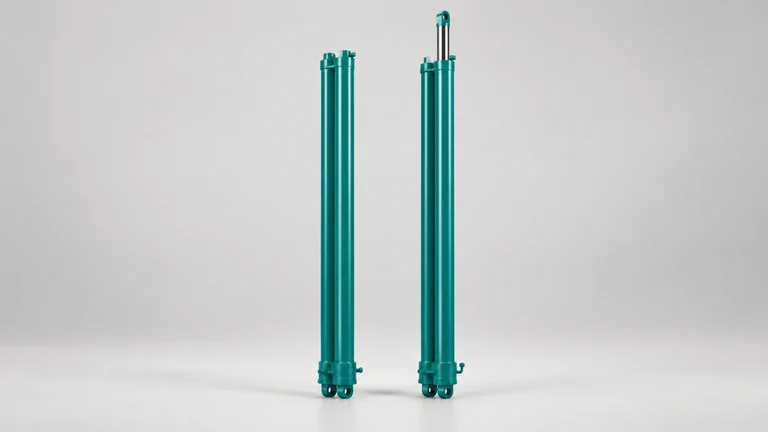
Forklift lift cylinders
Identify a lifting-cylinder enquiry from the supplier’s illustrated forklift range, then establish the complete component reference and mast-specific drawing.
View product details →A Bengbu supplier introduction built from company-controlled website or official manufacturer-network evidence. Use it to prepare a shortlist and a structured enquiry; it is not an endorsement, audit or current quotation.
Compare lifting, mast tilt, steering and torque transmission. These four catalogue-backed product types connect the original functional labels with the component identity and documents needed for a specific offer. They are not four verified model codes.
Identify a lifting-cylinder enquiry from the supplier’s illustrated forklift range, then establish the complete component reference and mast-specific drawing.
View product details →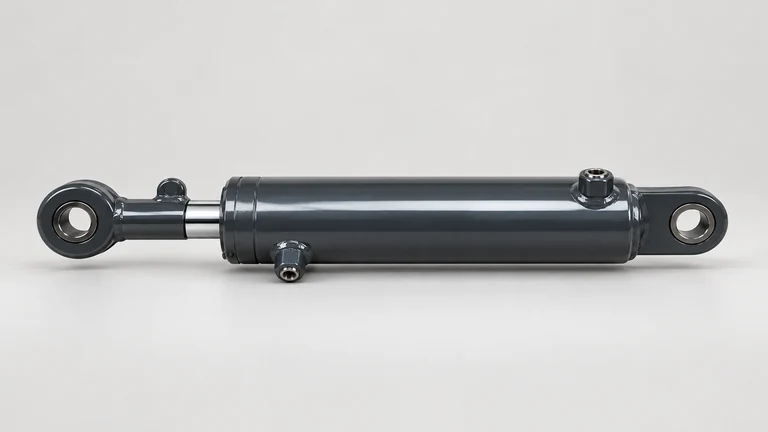
Keep mast-tilt cylinder identity, side or position and mounting details separate from lift and steering-cylinder enquiries.
View product details →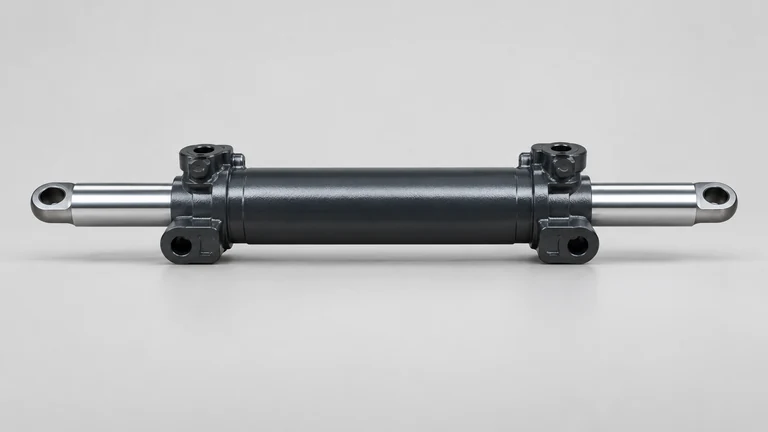
Separate the supplier’s steering-cylinder forms from other hydraulic products and prepare the axle-specific information needed for a written match.
View product details →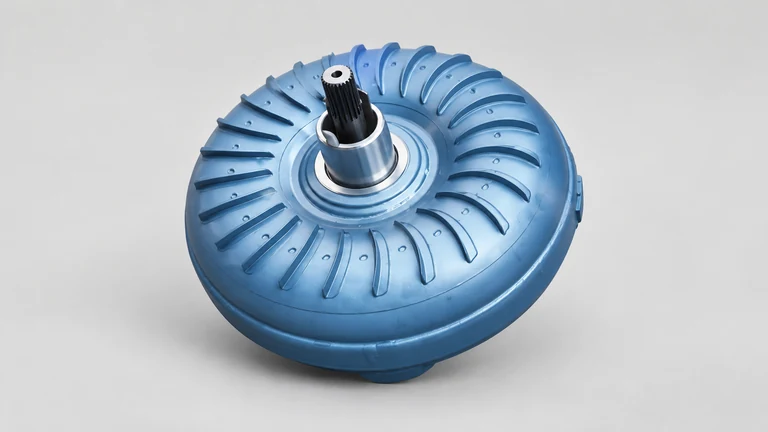
Treat the supplier’s two converter entries as one product-type research route, then identify the exact transmission interface and offered assembly.
View product details →Reviewed 29 October 2026 from official catalogue bodies and labelled original images. Complete model numbers, drawings, included items and current supply remain to confirm. The official site shows differing No.5 / No.35 Shengli East Road addresses; verify the quoting and dispatch address. The independent images explain product forms, not verified models, stock or included quantities. Original company introduction and purchasing paths remain below.
The HELI-hosted company site presents forklift cylinders, heavy-forklift cylinders and torque-converter categories. These are separate component routes. Use the cylinder product route for hydraulic assembly research and ask for the installed reference and drawing; do not infer that every component is stocked, sold as an individual service part or suitable for a different forklift brand.
The published location and scope make this record relevant to buyers researching local forklift hydraulic-component manufacturer. The page is a discovery record. Availability, production status, stock, territorial rights, response time and commercial terms can change, so the legal entity issuing the quotation should confirm each point in writing.
This is a parts or component route. It is included in the city parts directory and should not be treated as a complete-forklift supplier unless a current written offer establishes that separate role.
These categories classify the reviewed source. They do not prove current inventory, manufacturing capacity, brand authorization, certifications, export coverage, service staffing, customer claims or fitness for a particular site. A buyer should request current product and company evidence that matches the proposed transaction.
Begin with the work rather than a generic price request. Record rated load, load centre, lift height, mast constraint, aisle and turning space, floor and ramp condition, travel distance, shifts, ambient conditions, energy source, attachment functions, quantity, destination and delivery date. State whether the need is for a new truck, used truck, rental, automation project, service visit or replacement component. This prevents suppliers from quoting materially different configurations under similar product names.
For service, include the truck make, model, serial number, hours, fault codes, symptoms, recent work and current safety condition. Ask the supplier to state inspection scope, labour and travel basis, target response time, parts-approval method, warranty boundary and responsibility for transport or site access.
For a manufacturer or official-network record, confirm which legal entity will quote, invoice, deliver and perform warranty work. A network location is useful evidence of a contact route, but the buyer still needs a current statement of territory, product scope, stock source and the service team responsible for the job.
Send the same written requirement to every shortlisted company. Require the exact model or component, configuration, condition, rated-capacity basis, battery and charger or engine data, tyres, mast, attachments, safety options, included accessories, software where relevant, documentation, delivery scope, lead time, warranty and after-sales route. Require assumptions and exclusions to be listed rather than left implicit.
Compare technical compliance before headline price. A lower offer may use a different mast, battery, charger, attachment, tyre, condition standard, commissioning package, software interface, warranty or delivery term. Keep those differences visible in a comparison table and return incomplete answers for correction before selecting a supplier.
Reconcile the website identity with the quotation, company registration, invoice and bank beneficiary. A brand, manufacturer, branch, dealer and service point may play different roles. Ask who owns the goods, who accepts payment, who carries product liability and who will honour the warranty.
For a truck purchase, request the model datasheet, dimensions, turning and aisle data, residual-capacity evidence for the proposed mast and attachment, energy-system specification, tyres, environmental limits, maintenance schedule and applicable compliance documents. For used equipment, add serial identity, year, hours, battery or engine condition, repair history, inspection evidence and exact warranty terms.
For a parts request, preserve truck and component identity. Record the truck brand, model, serial or chassis number, voltage and configuration. Photograph the truck nameplate, component label, every complete part number, connectors, cable orientation, ports, mounting points and dimensions. Ask the supplier to state the catalogue, drawing, sample or cross-reference used for its match. Similar appearance or a broad model family is not reliable compatibility evidence.
For batteries, controllers, motors and charging equipment, also record nominal and permitted voltage, continuous and peak current, connector and polarity, communication protocol, firmware or parameter requirements, cooling, enclosure, mounting, charger or motor data and safety interlocks. Do not energise a substitute until a competent technician has confirmed the electrical and functional match.
ForkliftIQ included this record because a reachable company-controlled website or official manufacturer network identified a named company, branch or service point, a usable Bengbu address and explicit forklift, material-handling, component, parts or service scope. ForkliftIQ has not audited the business, factory, staff, stock, authorization, certificates, service vehicles, customer references or financial position.
Before contracting, verify the legal entity and current operating identity through appropriate official sources. Request current model-specific documents whenever safety, import, export, site rules or regulatory duties require them. Preserve the requirement, supplier response, drawings, datasheets, certificates, commercial terms, identity checks and unresolved questions as one purchasing record.
No. It records a reachable controlled source, a published local connection and visible relevant scope. Supplier identity, capability and the current offer still require buyer verification.
No. Website categories support discovery. Stock, configuration, authorization, certification, lead time and delivery must be confirmed in a current written quotation.
The address identifies the research source while the ForkliftIQ profile remains the directory destination. It is intentionally displayed without a clickable outbound link.
Featured placement, verified business fields, product catalogues and enquiry-routing services may later be offered as paid options. This research record remains evidence-bounded and does not receive a commercial ranking advantage.
Website-described role: Hydraulic component manufacturer route. This classification summarises published company material; it is not a factory audit or an authorization check.
Which forklift-cylinder reference and revision correspond to the installed assembly?