How to select the right starting category
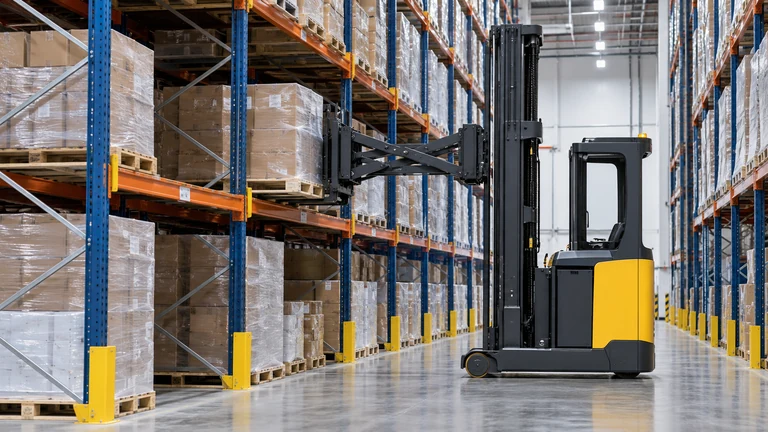
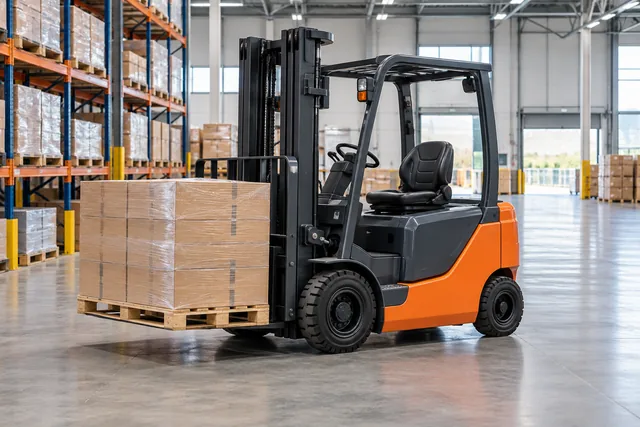
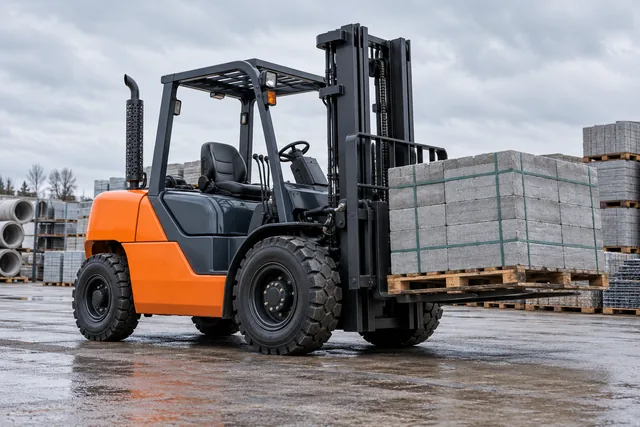
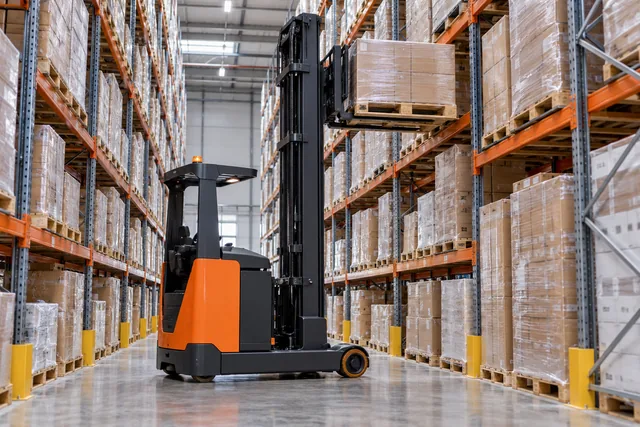
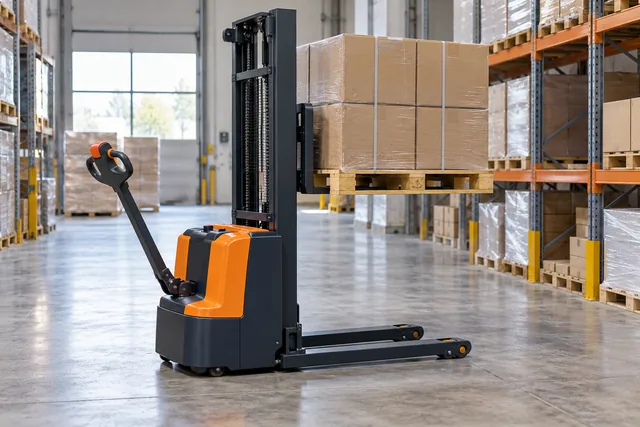
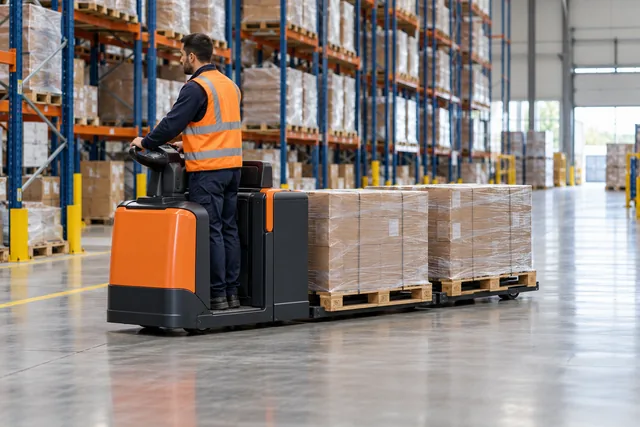
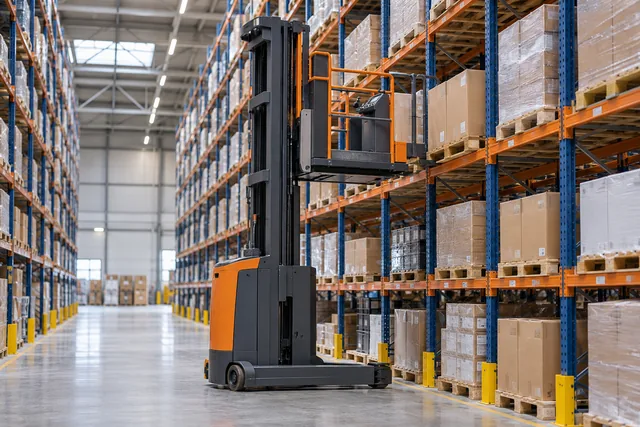
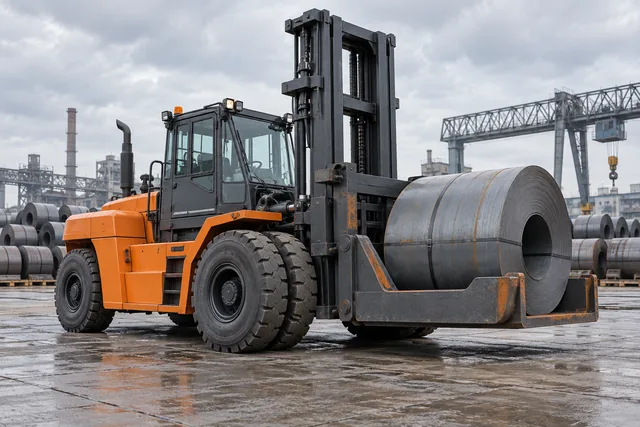
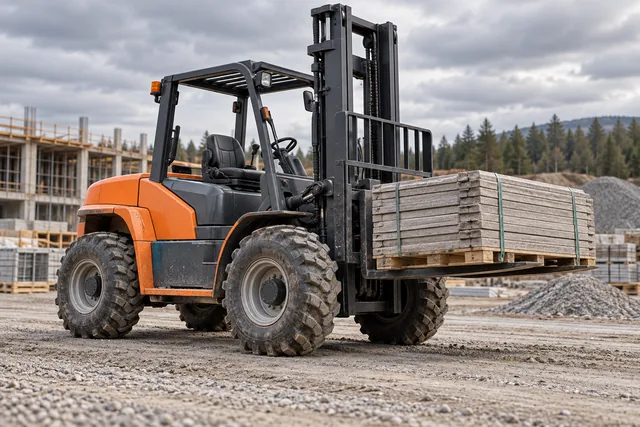
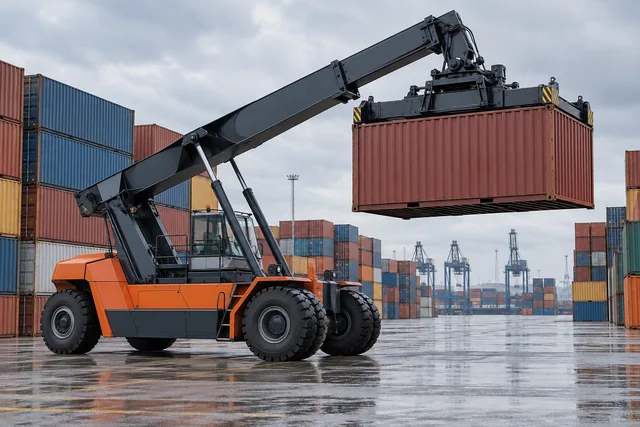
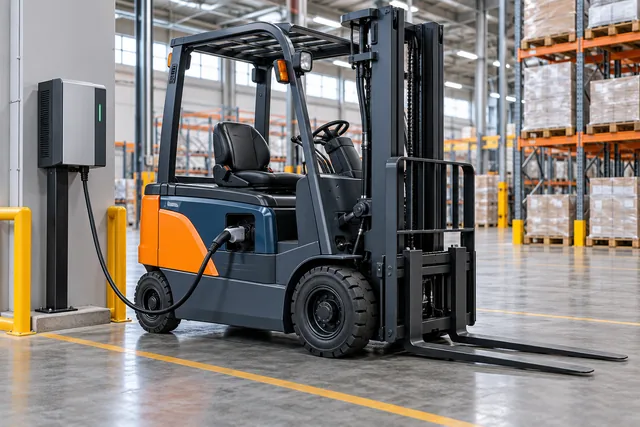
Begin with how the load moves. Counterbalance forklifts pick from the front. Reach, articulated and turret trucks are designed around racking and aisle geometry. Pallet trucks carry loads near the floor, while stackers raise them with a mast. Side loaders and multidirectional forklifts support long material. Telehandlers and rough-terrain trucks address outdoor reach and surface conditions. Container handlers, reach stackers and straddle carriers belong to engineered terminal systems.
Next define the site. Record indoor or outdoor use, surface and floor flatness, gradients, doors, mast-height limits, rack geometry, pedestrian interaction, temperature, dust, moisture and any hazardous-area constraints. A model that fits nominal capacity may still fail because of tyres, ground clearance, braking, cooling, visibility or environmental protection.
Why category pages link to supplier profiles
Each category page explains the equipment problem and links to researched company profiles whose published scope is relevant to that route. The links help buyers build a shortlist; they do not prove current stock, exact-model availability, technical suitability or commercial performance.
Ask each quoting entity to name the exact model, configuration, capacity basis, energy system, mast or boom, tyres, attachment, documentation, delivery scope, warranty and service route. Compare answers against one written duty profile.
Parts planning belongs in the product decision
Identify wear parts, scheduled-maintenance items, diagnostic access and critical components before purchase. Ask how parts are identified from the truck serial number, which entity supplies them, normal and urgent lead times, and whether controllers, displays, batteries or chargers need proprietary software or parameters.