Official website reviewed · 4 October 2026Company description
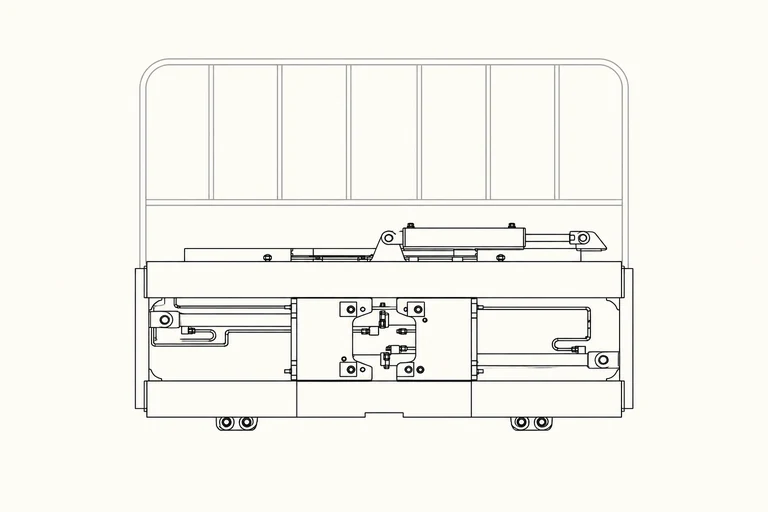
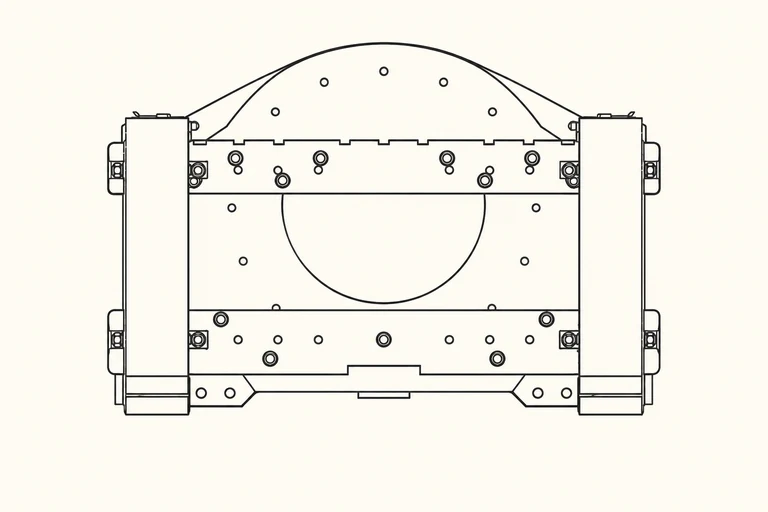
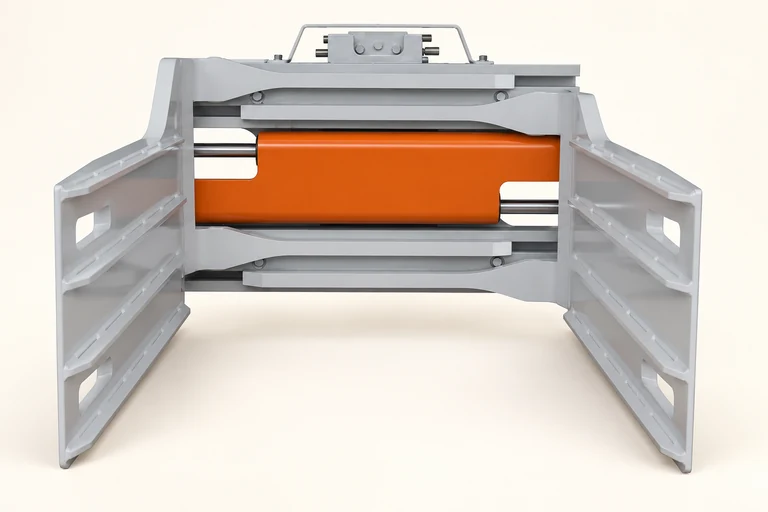
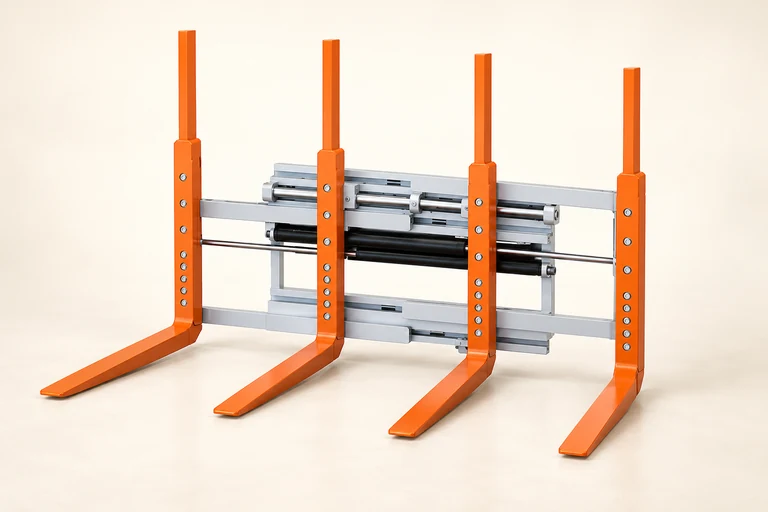
Longhe’s official contact and copyright records identify Longhe Intelligent Equipment Manufacturing Co., Ltd. at No. 9 Huanyuan Road, High-tech Zone, Longyan, Fujian. The company introduction describes development, manufacturing and marketing services, using a shorter English name variant. Its attachment catalogue separates sideshifters, fork positioners and other handling attachments. The sideshifter category names F and D families; the positioner category separates M, K and F sideshifting families from an E individual-fork-adjusting family. These family labels organise an enquiry, rather than approve a particular truck combination.
The location and published scope make this record relevant to buyers researching local forklift attachment and material-handling manufacturer. The listing is designed as a research starting point. Availability, brands, territorial rights, stock, response time and commercial terms can change, so the legal entity issuing a quotation should confirm them in writing.
This is a forklift-attachment or related component manufacturer record. It belongs in the Longyan parts route and should not be treated as a complete-forklift supplier. Match every request against the truck, carriage, hydraulic system and load before ordering.
Website-documented scope
- F and D sideshifter families
- Sideshifting fork-positioner families
- Individual-fork-adjusting family
- Other handling attachments subject to exact scope
These categories classify the source material visible during review. They do not prove current stock, manufacturing status, brand authorization, export rights, certification, service coverage, project capacity or suitability for a specific application. Ask the contracting company to confirm every point that affects the purchase.
Where this supplier may fit in a shortlist
Begin with the work rather than a generic request for price. Record the load, load centre, lift height, mast limit, aisle and turning space, floor and ramp condition, operating environment, shifts, travel distance, energy source, attachment functions, quantity, destination and required delivery date. A clear duty profile makes offers easier to compare and reduces the risk that suppliers quote different machines under similar names.
For service, identify the truck make, model, serial number, operating hours, fault symptoms, warning codes, recent repairs and whether the machine is safe to move. Ask for the inspection basis, labour and travel charges, parts-approval process, target response time, warranty boundary and responsibility for site access or transport.
For an official network record, confirm which legal entity will quote and invoice, whether the published location handles sales, service and parts directly, and which current manufacturer documents support the proposed model. Network presence is useful evidence of a contact route but does not by itself define stock, delivery or contract responsibility.
How to compare the response
Send the same written requirement to every shortlisted company and require the exact model or component, rated-capacity basis, configuration, battery and charger or engine data, tyres, attachments, safety options, included accessories, software where relevant, documentation, delivery scope, price basis, lead time, warranty and after-sales route. Require assumptions and exclusions to be listed.
Compare technical compliance before headline price. A lower offer may use a different mast, battery, charger, attachment, tyre, condition standard, commissioning scope, software interface, warranty or delivery term. Keep those differences visible in a comparison table and ask for corrections before selecting a supplier.
Confirm the contracting party. A website name, brand, local branch, dealer and invoice issuer may play different roles. Ask which legal entity will quote, contract, invoice, deliver, commission and provide warranty support. Match payment instructions to the verified contracting entity before funds are sent.
Equipment and parts evidence
For a truck purchase, request the model datasheet, dimensions, turning and aisle information, rated and residual-capacity evidence for the proposed mast and attachment, battery and charger or engine specification, tyres, environmental limits and maintenance requirements. For used equipment, add serial identity, year, hours, condition, battery test data, service history, inspection evidence and exact warranty terms.
For a parts request, preserve truck and component identity. Record the truck brand, model, serial or chassis number, voltage and configuration. Photograph the truck nameplate, component label, every complete part number, connectors, cable orientation, mounting points, ports and dimensions. Ask the supplier to state the reference used for its match. Similar appearance or a broad model family is not reliable compatibility evidence.
For an attachment request, record the truck model and serial number, capacity plate, carriage class and width, hydraulic functions, pressure and flow, connector and hose arrangement, attachment weight, centre of gravity and the load to be handled. Require a residual-capacity assessment and written fitment confirmation before use.
Related ForkliftIQ research routes
Use these internal pages to organize model, system and component evidence before requesting a quotation. The links document a relevant research or identification route; they do not confirm current stock, authorization, configuration or fit for a particular truck.
Verification and evidence boundary
ForkliftIQ included this record because an independent company-controlled website or official manufacturer network was reachable, identified a Longyan company or service point, and showed relevant forklift, warehouse-equipment, component, parts or service scope. ForkliftIQ has not audited the business, factory, staff, stock, authorization, certificates, service fleet, customer claims or financial position.
Before contracting, verify the legal registration and current operating identity through appropriate official sources, then reconcile that information with the website, quotation, invoice and bank beneficiary. Request current model-specific certificates and technical documents where safety, compliance, import, export or site rules require them. Preserve the requirement, supplier response, drawings, datasheets, certificates, commercial terms and unresolved questions as one purchasing record.
Website shown on this recordhttps://www.longheglobal.com/Displayed for source identification only; it is not a clickable outbound link.
Questions to resolve before moving forward
- What legal entity will issue the quotation, contract and invoice?
- What exact model, condition and configuration answer the stated application?
- Which current datasheets, drawings, tests and certificates support the proposal?
- What equipment, accessories, software, commissioning and documents are included?
- What are the price basis, lead time, delivery terms, warranty and support route?
- Which assumptions, exclusions and site responsibilities remain with the buyer?
Frequently asked questions
Does this profile mean ForkliftIQ has approved the supplier?
No. The page records a reachable source, a published Longyan connection and visible relevant scope. Supplier identity, capability and the current offer still require buyer verification.
Does the listed scope prove that every product is available?
No. Website categories support discovery. Stock, configuration, condition, authorization, certification, lead time and delivery must be confirmed in a current written quotation.
Why is the supplier website plain text?
The address identifies the research source while the ForkliftIQ profile remains the directory destination. It is intentionally displayed without an outbound hyperlink.
Featured placement, verified business fields, product catalogues and enquiry-routing services may later be available as paid options. This current record remains a neutral, evidence-bounded supplier introduction.