Repair & Troubleshooting
Forklift Contactor Problems
A forklift that clicks but won't move, blows fuses or cuts out under load often has a worn main contactor — a cheap, common failure that mimics a dead controller or motor.
— Reviewed by the ForkliftIQ technical team
The contactor switches high current to the motor. Pitted tips, a weak coil or a stuck contactor cause no-move, intermittent or welded-on faults.
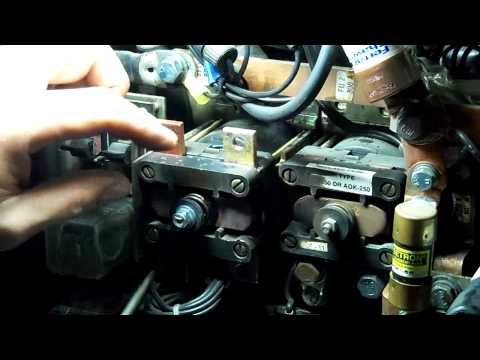
Video reference: “How to Fix Your Forklift - Lift Pump Contactor Welded / Replacement” by fixyourforklift (YouTube). Shown for diagnostic guidance; ForkliftIQ is not affiliated with the creator.
Most likely causes
Figure summary: Follow the diagnostic steps in order, working from the cheapest, most likely cause first and confirming with a test before replacing parts.
Pitted contactor tips — Arc erosion increases resistance, causing heat and power loss.
Weak or open coil — A failing coil won't pull the contactor in — it clicks or does nothing.
Welded contacts — Stuck-closed contacts cause runaway or blown fuses.
How to diagnose it
1
Confirm whether the contactor pulls in when commanded.
2
Check the contact tips for pitting and burning.
3
Measure coil resistance against spec.
4
Verify the contacts open when de-energized — welded contacts are dangerous.
⚠ Safety: Welded contactor contacts can cause uncontrolled movement — isolate the battery immediately and replace the contactor before use.
Parts that commonly fix this
FAQ
How do I know if my forklift contactor is bad?
It clicks but won't pass power, blows fuses, overheats or sticks closed. Inspect the tips and test the coil.
Can a contactor cause a no-move fault?
Yes — a worn or open contactor stops power to the motor and mimics a dead controller.
Are contactor tips replaceable?
On some types yes; often the whole contactor is replaced. Send the model to confirm.
Do you supply contactors and coils?
Yes — main and pump contactors, tip kits and coils; send the part number.
Need the parts — fast, factory-direct?
Tell us your forklift make, model and the part you need. We ship genuine and quality aftermarket parts worldwide.
Get a parts quote →